AI Web Scraping Is Now an Architecture Decision
19/08/2026
by Tekai
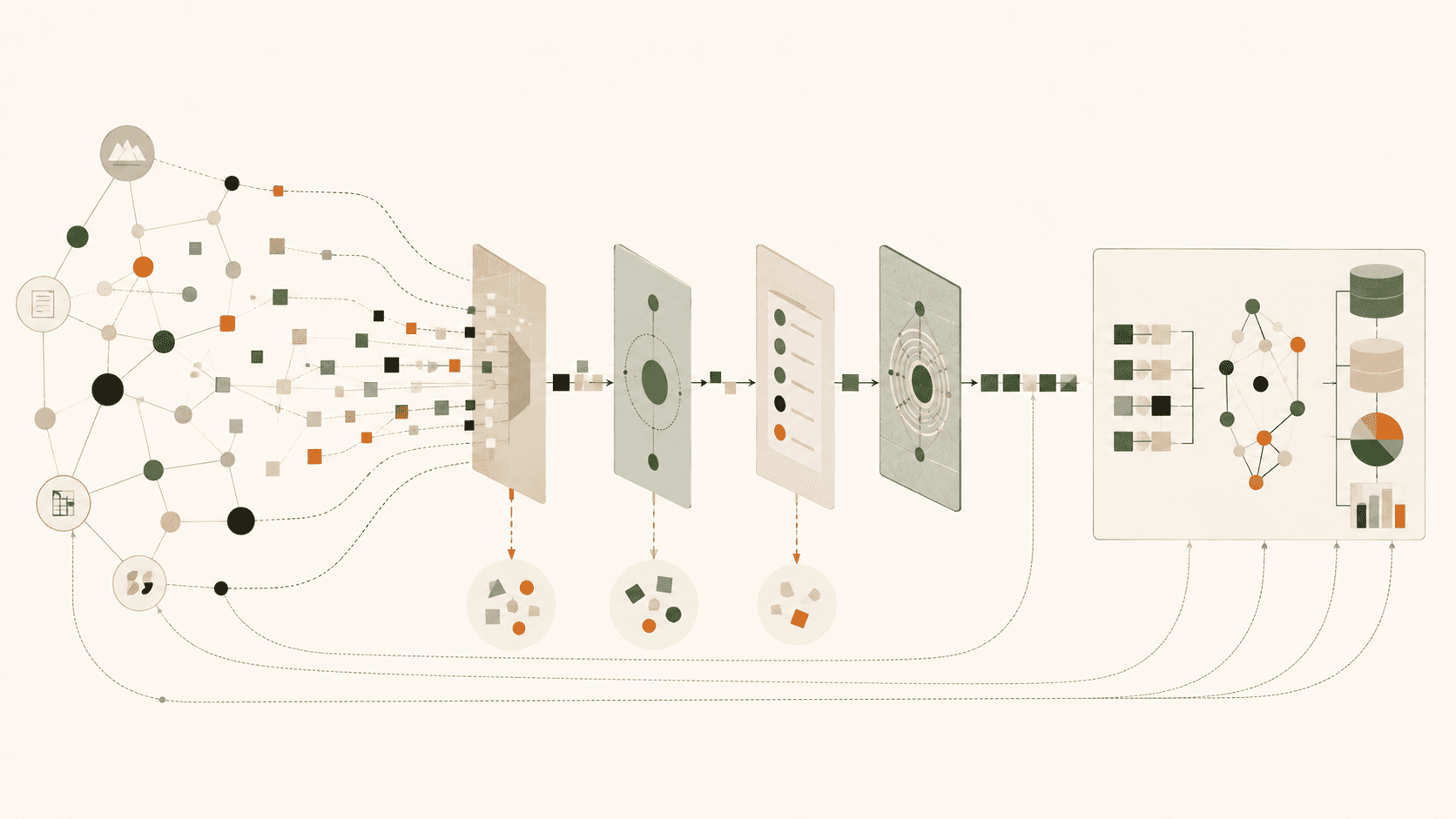
A prototype can scrape public web data in an afternoon. The harder question is whether the underlying system can explain where that data came from, why it was collected, and what controls followed it into production. The European Data Protection Board (EDPB) guidelines on web scraping and anonymisation make one thing clear: data governance is no longer a legal policy problem but a core system design requirement.
Public Data Isn't Outside GDPR
The EDPB reiterated that scraping personal data (even if publicly accessible) falls squarely under GDPR. Relying on legitimate interest (Article 6) might cover general web text, but scraping frequently captures sensitive disclosures like health conditions or political commentary. Processing this special-category data requires an Article 9 exception, which standard crawlers ignore.
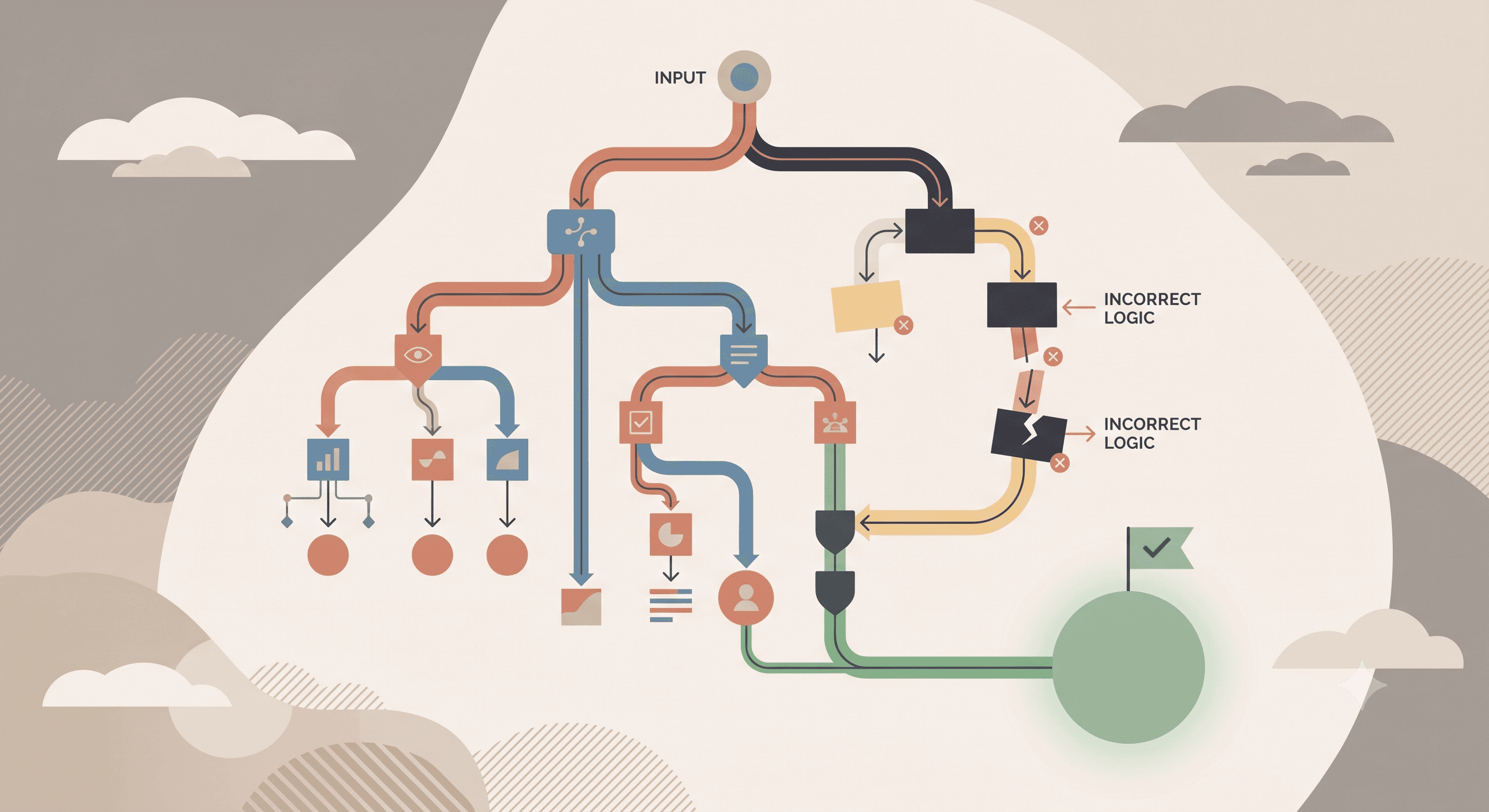
To solve this, engineering teams can deploy pre-ingestion guardrails directly at the pipeline's edge before data ever reaches a vector store:
- Inline classification engines (e.g., Microsoft Presidio, spaCy NER): Function as sanitization proxies inside ingestion workers. They inspect unstructured text for sensitive entities and redact them on the fly before text is passed to an embedding model.
- Managed cloud DLP gateways (e.g., AWS Comprehend PII, Google Cloud DLP): Serve as managed API gatekeepers at the queue boundary. They automatically classify and quarantine high-risk payloads before records are written to persistent queues.
Anonymisation Is a Test, Not a Label
Calling a scraped dataset "anonymous" simply because names were stripped with basic regular expressions is a dangerous assumption. The EDPB evaluates anonymisation against three strict criteria: singling out, linkability, and inference. If combining scraped attributes—such as job title, postal code, and timestamp—allows someone to re-identify an individual, the data remains personal data.
Pipelines should treat anonymisation as an automated build-step test rather than a static metadata tag:
- Privacy-risk evaluation engines (e.g., ARX, Diffprivlib): Act as automated compliance test suites in CI/CD. They mathematically calculate re-identification risks like $k$-anonymity on processed data before approving it for training sets.
- Data hygiene transformation jobs (e.g., dbt, Apache Spark): Handle the heavy lifting of feature suppression, attribute binning, and aggregation at scale, turning high-resolution personal data into generalized, non-identifiable records.
Operationalizing Lineage and Provenance
When an individual exercises their right to be forgotten under Article 17, responding requires tracing a specific model input back to its original web source. Flattening raw HTML into an unindexed vector store makes compliance nearly impossible without wiping the entire index.
The solution lies in binding metadata envelopes to every ingested payload and leveraging database-native deletion capabilities:
- Lineage and versioning sidecars (e.g., OpenLineage, DVC): Bind immutable provenance metadata (source URL, scrape timestamp, consent scope) directly to dataset commits, making the lifecycle from raw scrape to vector chunk fully auditable.P
- Payload-aware vector databases (e.g., Qdrant, Pinecone, Weaviate): Store metadata tags alongside high-dimensional embeddings. This allows systems to execute filtered deletion queries that purge specific document IDs without requiring a full index rebuild.
Ownership Should Extend Upstream
At Tekai, senior engineers own AI-assisted output before it ships, using strict review gates on generated code. The EDPB guidance reinforces this same accountability principle, but pushes it further upstream: engineering teams must be able to demonstrate the data controls and lineage behind the AI system itself.
This does not require every engineer to become a data-protection lawyer. Instead, the architecture should create a shared audit trail across legal, product, security, and engineering—making approved behavior trivial to verify and exceptions hard to hide.
Before shipping an AI feature to production, compare your current data flow against these six core engineering checks:
- Sources: Can you trace every vector or training record back to its origin and collection timestamp?
- Purpose: Is the dataset strictly filtered to exclude data outside its defined scope?
- Sensitive Data: Are inline classifiers actively dropping or redacting special-category attributes at the edge?
- Validation: What automated tests verify data hygiene before records enter model workflows?
- Retention: Can your vector store execute targeted soft-deletes when a deletion request arrives?
- Accountability: Is every dataset change or exemption tied to a traceable commit or decision?
While EDPB guidance will evolve following public consultation, engineering leaders do not need to wait. Mapping these six capabilities into your data pipeline delivers immediate system resilience regardless of final regulatory wording.
AI data governance starts long before the model sees its first record.