Rethinking Our Development Workflow with Agentic Coding
23/01/2026
by Tekai
Agentic Coding – A Perspective from an Engineering Leader
Over the past few years, the pace of software development has undergone significant changes.
Not because engineers suddenly type faster, but because the way we work has undergone a fundamental evolution .
For us, Agentic Coding is not a trend. It is a natural outcome of increasing system complexity, shorter delivery cycles, and ever-rising client expectations.
One thing needs to be made clear:
Agentic Coding does not replace software engineers .
However, engineers who are unwilling to evolve their way of working will find it increasingly difficult to stay relevant in the years ahead.
The problem isn’t the tool — it’s the workflow
The biggest mistake we see when teams adopt AI is treating it as:
- A smarter autocomplete
- A faster chatbot
That’s not what Agentic Coding is designed for.
Its real value lies in reshaping how we work :
- How we analyze problems
- How we approach and navigate a codebase
- How we iterate, test, and optimize
When the workflow is right, speed becomes a natural byproduct. It doesn’t need to be forced.
From “Vibe coding” to “Agentic Coding.”
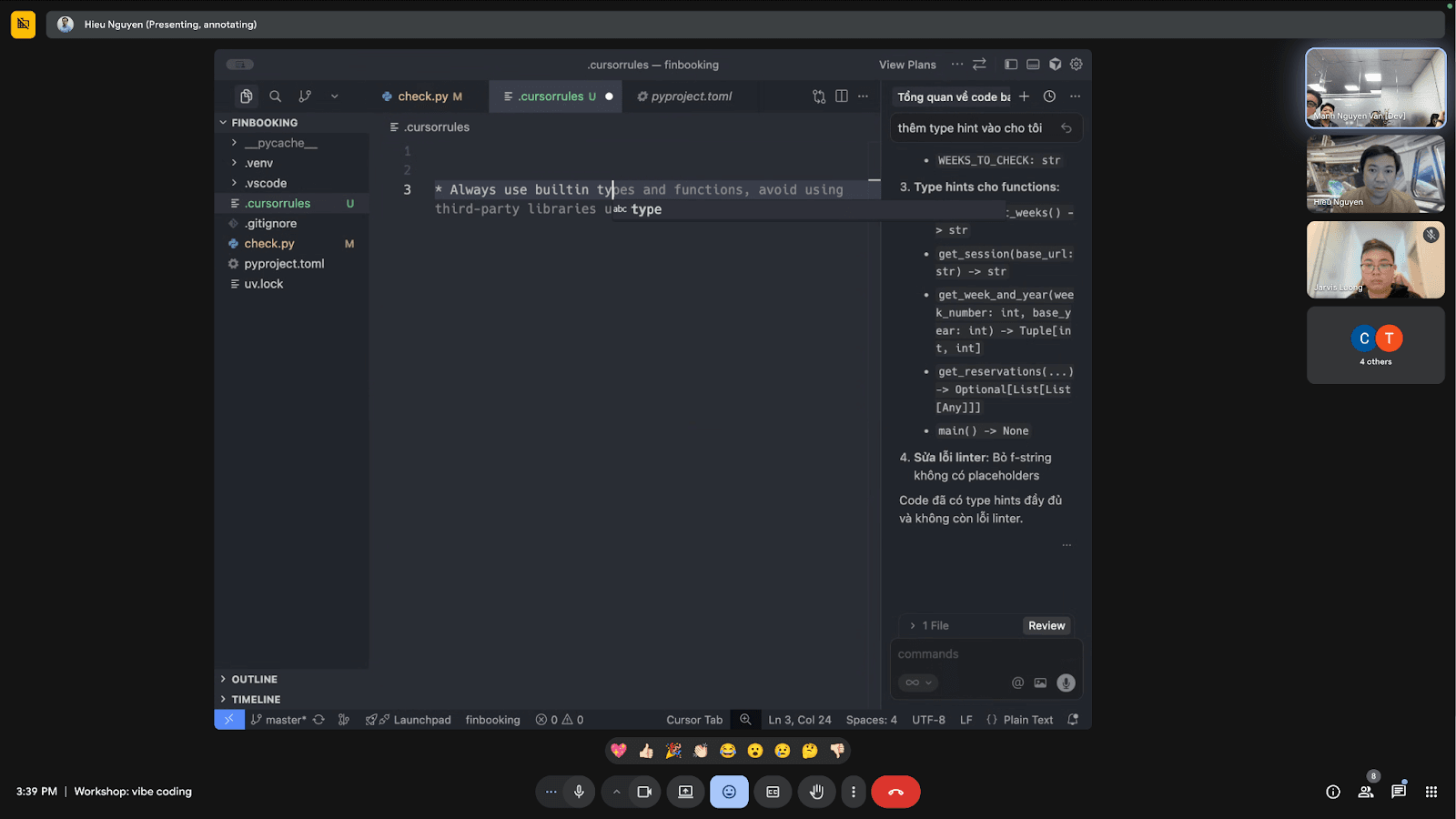
In the early days, many teams used AI in a “vibe coding” mode:
- Ask quickly
- Code quickly
- Fix issues when something breaks
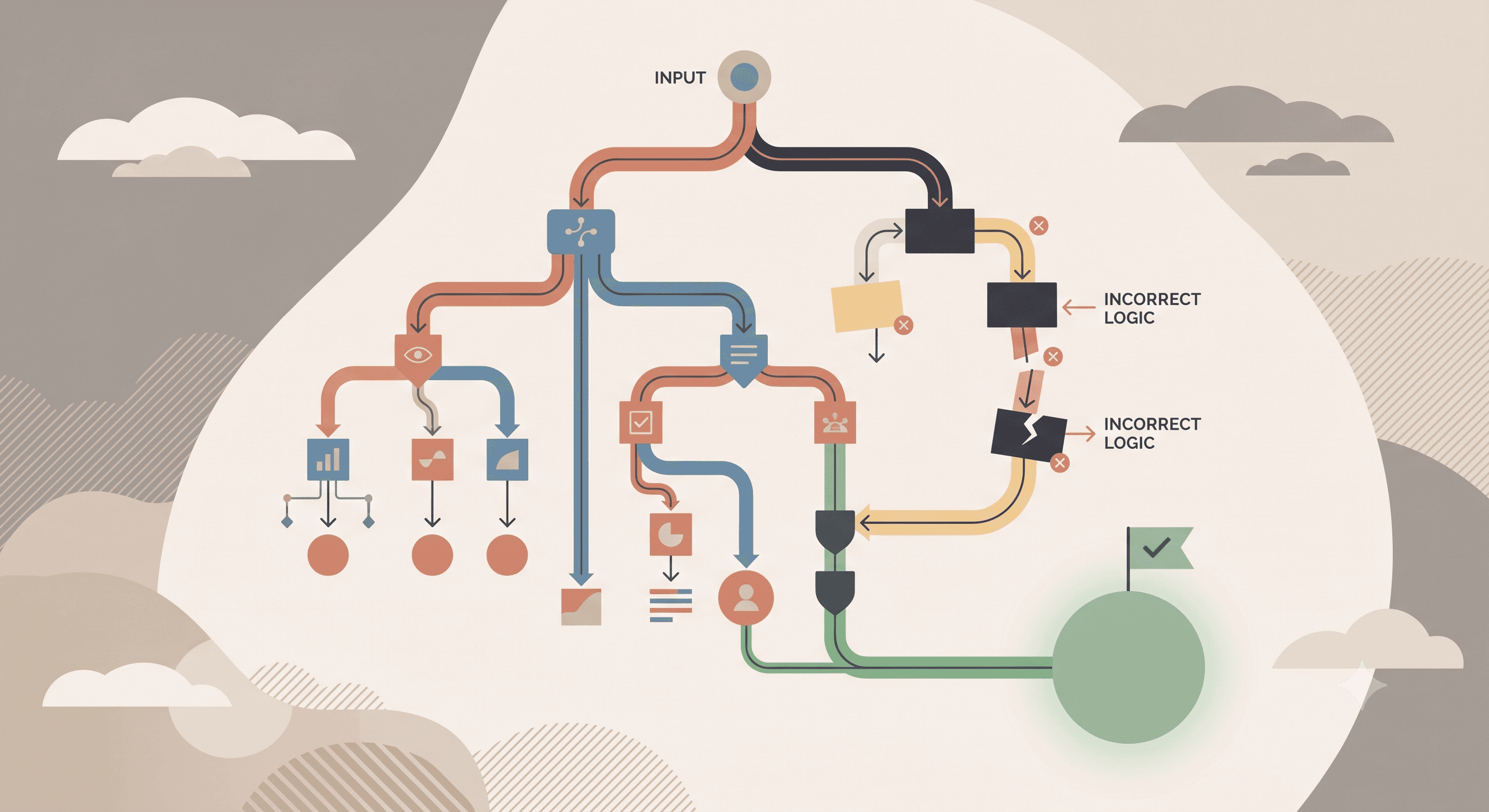
Agentic Coding is the next step — more structured and more accountable:
- Agents assist with planning
- Refactoring is done with real project context in mind
- Tests are written and validated, instead of “hoping the code works.”
- Continuous iteration until the expected quality is reached
At this point, AI is no longer just a support tool. It becomes an integrated part of the engineering workflow .
Lessons from real projects
At Tekai, we didn’t adopt Agentic Coding out of curiosity. We adopted it because it solves real problems .
Agentic Coding has supported our teams in:
- Controlled code generation and refactoring
- Consistent test creation and validation
- Assisting with business analysis in complex project contexts
More importantly, our engineers are not becoming dependent on AI. On the contrary, they gain a deeper understanding of their systems by constantly evaluating, challenging, and making decisions.
The biggest impact: focusing on core values
In a multinational working environment, especially between Finland and Vietnam. The biggest challenge is not technology, but alignment and shared understanding .
Agentic workflows help us:
- Communicate ideas more clearly
- Reduce noise in technical discussions
- Allow engineers to focus on high-value logic and architectural problems
In short:
We scale alignment, not just lines of code.
Agentic Coding — changing how we work, not replacing people
For Tekai, Agentic Coding is not about moving faster at all costs. It helps teams:
- Think in a more structured way
- Make better decisions
- Use time more effectively
In the end, technology is only a lever. Real value still comes from people who understand the problem, understand the system, and take responsibility for the product they build.