What Getting ISO 27001 Certified Actually Taught Us
19/03/2026
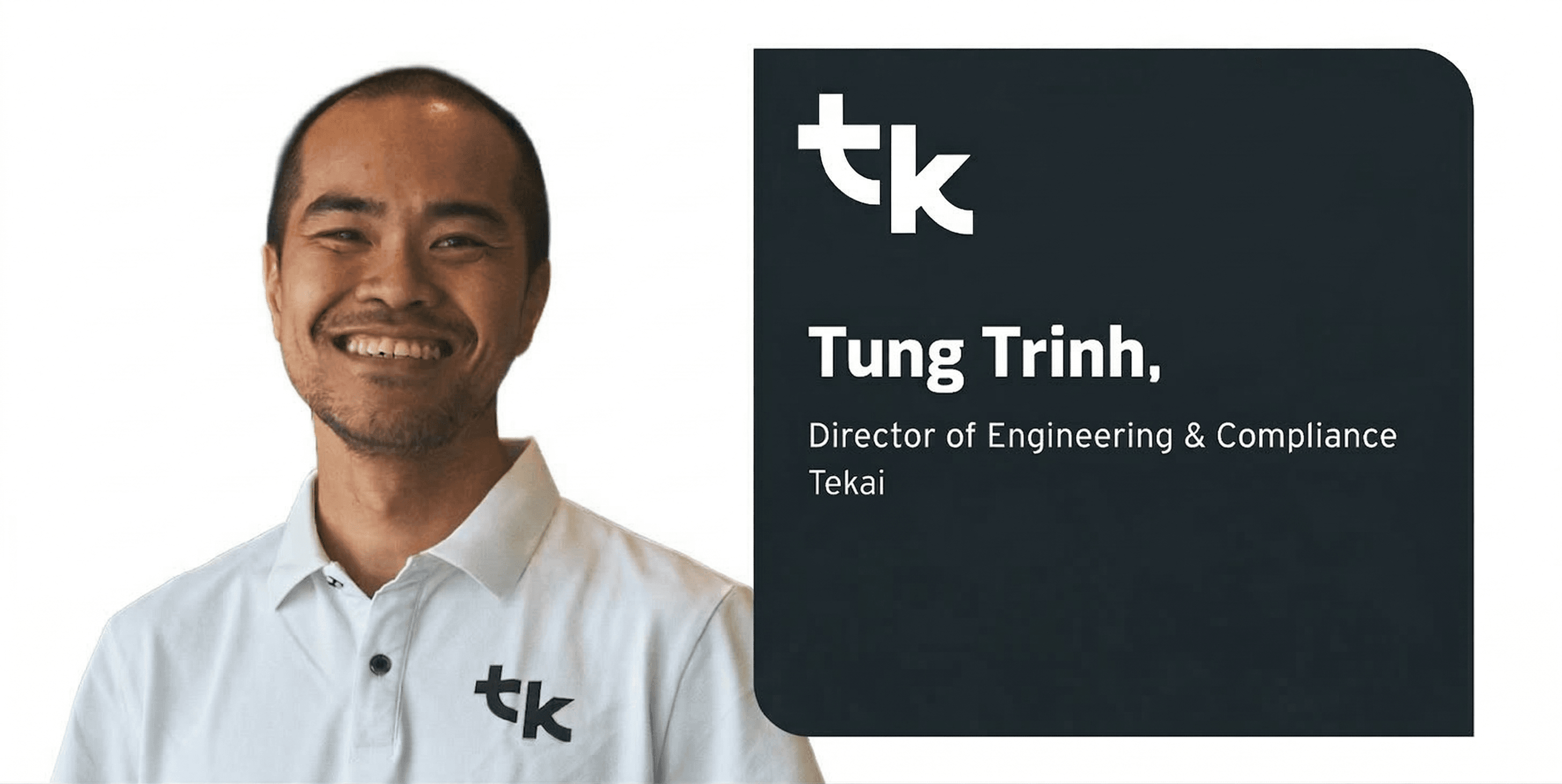
by Tung Trinh
Tekai is ISO 27001 certified, independently verified by Prescient Security. The certification formalises how we manage access controls, data handling, and incident response across our Finnish-Vietnamese delivery model. For clients in regulated industries, this means faster onboarding, shorter security reviews, and a compliance framework their teams already recognise.
When a European enterprise asks Tekai to join their development workflow, the first question is rarely about tech stack. It’s about trust.
More specifically: Can we put your engineers inside our systems?
That question has become harder to answer with words alone. Procurement teams now arrive with security questionnaires before commercial conversations begin. Legal wants evidence, not assurances. And for clients handling sensitive user data, including healthcare records, payment flows, and personal finance, “we take security seriously” doesn’t pass review.
So we went and got the paperwork.
Why Now
On 5 March 2026, Prescient Security, an independent compliance and certification firm, published a case study documenting Tekai’s ISO 27001 certification process. It’s a third-party account, not a self-reported badge. That distinction matters: in a market where security claims are easy to make and difficult to verify, external documentation of how we got certified is more useful to buyers than the certificate itself.
What ISO 27001 Is, and What It Isn’t
ISO 27001 is an internationally recognised standard for information security management systems (ISMS). It sets out how an organisation should identify, assess, and control information security risks. Achieving certification means an independent auditor reviewed your policies, your controls, your incident response plan, and your evidence of ongoing compliance, and found it sufficient.
What it isn’t: a one-time audit that ends when the certificate arrives. The standard requires continuous monitoring, internal audits, and management reviews. You don’t pass ISO 27001 and then move on. You maintain it.
That ongoing commitment is actually the part that matters most to clients.
What We Had to Change
Certifications don’t reveal what a company does right. They reveal what it hadn’t formalised yet.
For us, the process surfaced gaps in how we documented access controls across client projects, how we handled data handling agreements with subcontractors, and how formally we tracked security incidents versus technical issues. None of these were crises, but they weren’t systematic either.
The Prescient Security process pushed us to build the system, not just the intent.
What Changes for Clients
For clients in regulated industries, ISO 27001 removes a procurement friction point that previously slowed or blocked onboarding. A European healthtech client or a fintech handling payment data no longer has to take our word for the security posture. The certification framework gives their legal and compliance teams a structure they recognise.
We’ve seen this pattern directly. The SmartHealth AI engagement, where we built HIPAA/PHIPA-compliant infrastructure for a North American healthcare platform, moved faster once compliance documentation was in place. Questions about data handling got shorter and more specific. Security review rounds decreased.
That’s not a coincidence. It’s what happens when the evidence is already structured.
The Honest Part
ISO 27001 doesn’t make Tekai’s engineers write better code. It doesn’t fix a bad project brief or rescue a broken architecture. It does one specific thing: it demonstrates that the operational layer around engineering, including access, handling, incident response, and continuity, has been independently reviewed and found to meet an international standard.
For buyers who have been burned by vendors who looked credible on paper and delivered something else, that independent review matters more than another sales deck.
Why It Fits the Tekai Hybrid Model Specifically
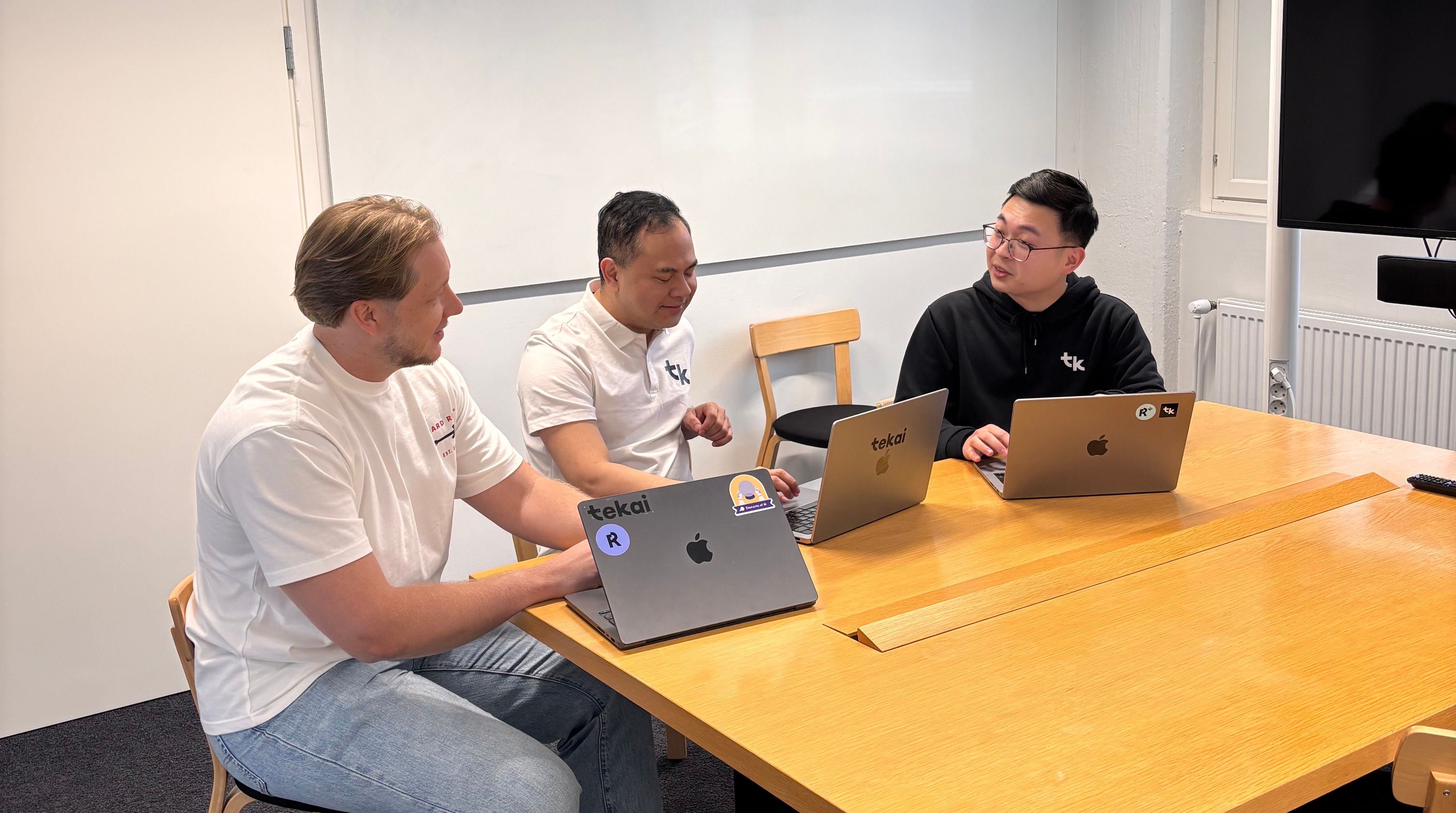
Tekai’s model puts a Finnish technical lead in Helsinki and a Vietnamese engineering team in Hanoi. For some buyers, that cross-border structure raises security questions: who has access to what, where data is processed, how incidents are escalated.
ISO 27001 answers those questions with a framework, not a reassurance. The ISMS covers how we manage access across geographies, how we document data flows between teams, and how we handle client data regardless of where the engineer is located.
Building trust across borders requires more than intent. It requires a system.
Tekai’s ISO 27001 certificate is available on request. If you’re in a regulated industry and want to understand how our security posture fits your procurement requirements, reach out directly or review the Prescient Security case study .